Latest in Immunotherapy Research

Latest in Immunotherapy Research


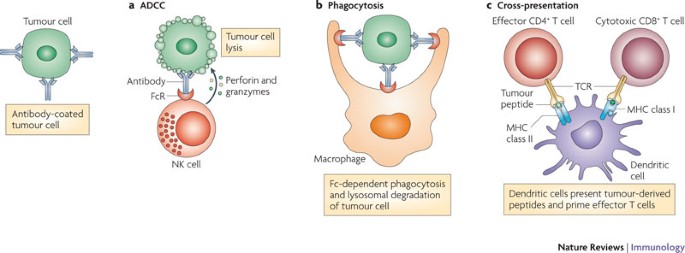
Immunotherapy has rapidly evolved into one of the most transformative domains in modern medicine, shifting the paradigm from directly targeting disease to empowering the body’s own immune system to recognize and eliminate it. While oncology remains the primary focus, recent advances are expanding immunotherapy into infectious diseases, autoimmune conditions, and even neurodegenerative disorders. The latest research is characterized by increased precision, improved safety profiles, and the integration of biotechnology platforms such as AI-driven drug discovery and genomic profiling.
1. Next-Generation CAR-T and Cell Therapies
Chimeric Antigen Receptor T-cell (CAR-T) therapy continues to advance beyond its early success in blood cancers. New iterations—often referred to as “armored CAR-T cells”—are engineered to overcome tumor resistance mechanisms by secreting cytokines or resisting immunosuppressive signals within the tumor microenvironment. Researchers are also developing allogeneic (off-the-shelf) CAR-T therapies, which aim to reduce cost, production time, and variability compared to patient-specific treatments. Additionally, CAR-NK (natural killer) cell therapies are gaining traction due to their lower risk of severe side effects like cytokine release syndrome.
2. Personalized Cancer Vaccines
One of the most promising frontiers is the development of personalized neoantigen vaccines, which are tailored to the unique mutation profile of an individual’s tumor. Leveraging next-generation sequencing and mRNA technology, these vaccines train the immune system to recognize tumor-specific antigens with high precision. Early clinical trials have shown encouraging results in melanoma and pancreatic cancer, particularly when combined with checkpoint inhibitors.
3. Immune Checkpoint Inhibitors 2.0
Checkpoint inhibitors targeting PD-1, PD-L1, and CTLA-4 have already revolutionized cancer care, but newer research is exploring additional immune checkpoints such as LAG-3, TIGIT, and TIM-3. These next-wave inhibitors are designed to address resistance in patients who do not respond to first-generation therapies. Combination strategies—pairing multiple checkpoint inhibitors or integrating them with radiation, chemotherapy, or targeted therapies—are showing improved outcomes across multiple tumor types.
4. Tumor Microenvironment Engineering
A major barrier to effective immunotherapy is the tumor microenvironment (TME), which often suppresses immune activity. Current research is focused on reprogramming the TME to make tumors more “visible” and vulnerable to immune attack. This includes modifying metabolic pathways, reducing suppressive cell populations (like regulatory T cells), and enhancing antigen presentation. Nanotechnology-based delivery systems are also being explored to selectively modulate the TME without systemic toxicity.
5. Bispecific Antibodies and Multi-Target Approaches
Bispecific antibodies are engineered to bind two different targets simultaneously—typically a cancer cell and an immune cell—bringing them into close proximity to enhance immune-mediated killing. These therapies offer a scalable alternative to cell therapies and are showing strong clinical potential in both hematologic and solid tumors. Multi-specific platforms are also being developed to engage multiple immune pathways at once, increasing efficacy while minimizing escape mechanisms.
6. Expanding Beyond Cancer
Immunotherapy is no longer limited to oncology. Researchers are exploring immune modulation in:
-
Autoimmune diseases (e.g., reprogramming immune tolerance in conditions like lupus and multiple sclerosis)
-
Infectious diseases (e.g., therapeutic vaccines for HIV and chronic viral infections)
-
Neurological disorders (e.g., targeting neuroinflammation in Alzheimer’s disease)
These applications reflect a broader understanding of the immune system as a central regulator of health and disease.
7. AI and Data-Driven Immunotherapy
Artificial intelligence is playing a critical role in accelerating immunotherapy development. Machine learning models are being used to identify novel drug targets, predict patient response, and optimize clinical trial design. Combined with biomarker discovery and multi-omics data, this approach is enabling precision immunotherapy, where treatments are tailored not just to the disease, but to the individual immune profile of each patient.
Conclusion
The latest advancements in immunotherapy reflect a shift toward highly personalized, multi-modal, and technology-driven approaches to treatment. As research continues to refine efficacy and reduce adverse effects, immunotherapy is poised to become a cornerstone not only in cancer care but across a wide spectrum of diseases. The convergence of biotechnology, data science, and molecular medicine is accelerating this evolution—bringing us closer to a future where the immune system can be precisely engineered to maintain health, prevent disease, and extend human longevity.
Focus Starts Now —
Limited Offer.
Get the EON today and receive 20% off your subscription plus free shipping.
Activate Mobility Now